The Most Common Myths About Breast Lift with Auto Augmentation Debunked
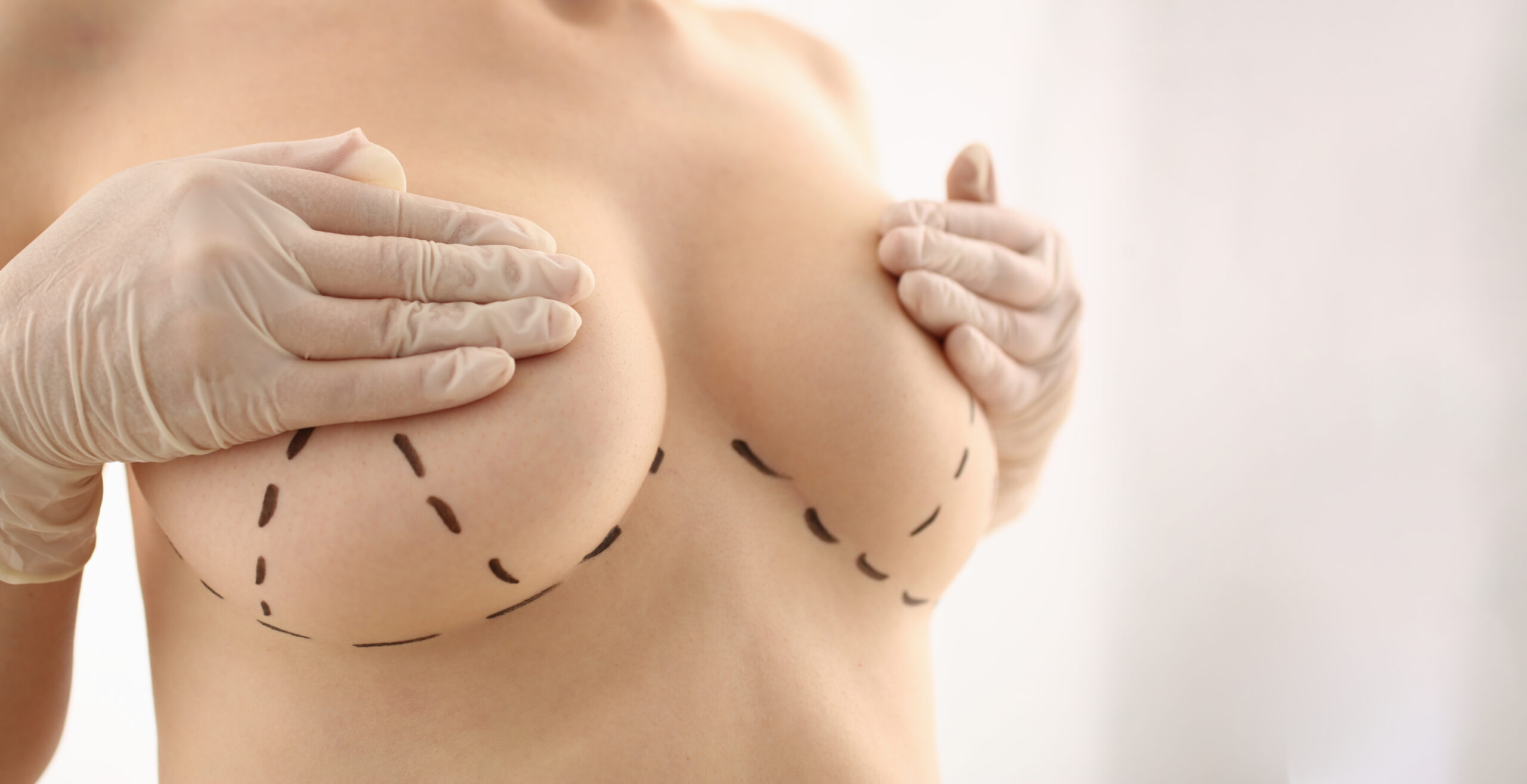
A breast lift with auto-augmentation can be a strong option for women who want a lifted shape and added upper-pole fullness without implants. Even so, many patients come in with the same online myths—questions about scars, safety, longevity, and what the results actually look like.
This guide breaks down the most common misconceptions, allowing you to understand what this technique can and cannot do.
Myth 1: “Auto Augmentation Works the Same Way as Implants.”
Auto augmentation reshapes your own breast tissue. Nothing artificial is added. The surgeon creates fullness by repositioning internal tissue during the lift.
This means the breast feels natural, moves naturally, and ages naturally. Women who prefer to avoid implants often find this approach appealing because it strengthens their existing structure rather than relying on a device.
Myth 2: “The Results Look Flat Without an Implant.”
Many women expect that only an implant can restore projection. In reality, a mastopexy with auto augmentation can create noticeable upper-pole volume when there is enough native tissue to work with.
This is one reason the procedure is popular after pregnancy or weight loss. The tissue is already present—it just needs support and repositioning. Patients seeking a comparison often explore how a standard lift differs from an auto-augmentation breast lift before making a decision.
Myth 3: “Because More Is Done Internally, the Scars Must Be Worse.”
The internal reshaping does not change the external incision pattern. Auto augmentation does not add extra cuts. Scars follow the same lines used in a traditional breast lift.
Healing depends on skin type, genetics, and proper postoperative care—not on whether auto-augmentation was performed. Most women find scars gradually soften and lighten with time.
Myth 4: “Auto Augmentation Doesn’t Last Long.”
Longevity is related to skin elasticity, weight stability, and natural aging—not just the technique alone. When performed correctly, the internal support created during auto augmentation helps the breast keep its shape for years.
Women who maintain their weight and follow a healthy routine often see long-term improvement. Those comparing options may review details on breast lift surgery or breast reduction to understand how tissue support differs among procedures.
Myth 5: “It’s Less Safe Than a Traditional Breast Lift.”
The safety profile is similar to a standard lift. The difference lies in how the internal tissue is shaped, rather than in how the incisions are made or how the breast is closed.
For many patients, avoiding implants removes questions about future maintenance or device replacement. This can be reassuring, especially for women who prefer natural, tissue–based solutions.
Myth 6: “Recovery Is Longer and More Difficult.”
Most women recover at the same pace as they would after a regular lift. Swelling, tightness, and early sensitivity are expected. Light activities resume within a few days, while full activity returns gradually in stages.
Some women experience a sense of internal support or fullness early in their healing process. This sensation usually settles as the tissue adjusts.
Reviewing real outcomes in the before-and-after gallery can help set realistic expectations.
Myth 7: “Everyone Is a Candidate.”
A breast lift without implants is most effective when there is sufficient natural tissue to reposition. Women with very little breast tissue may still prefer implants to achieve their desired volume.
During consultation, factors such as skin quality, tissue amount, breast symmetry, and future plans (including pregnancy or weight changes) help determine the right approach. Some women choose to combine auto augmentation with other procedures, such as breast augmentation or breast reconstruction, depending on their goals.
onsidering a Breast Lift with Auto Augmentation? Let’s Talk.
If you are exploring a breast lift with auto-augmentation in Fort Worth or Southlake, a consultation can help you understand which approach aligns with your goals. Our expert team will evaluate your anatomy, review your options, and explain what to expect from the procedure.